Your New Dog Isn't Broken. They're Just Adjusting.

One of the most important things to understand about dogs is that change can be overwhelming. New people, new routines, new smells, and new surroundings all take time to process.
Maybe they're hiding under the dining room table. Maybe they haven't eaten much. Maybe they're following you around like a tiny furry bodyguard. Or maybe they're acting completely different than they did during their meet-and-greet.
The good news? That's usually completely normal.
Your dog isn't broken. They're just trying to figure out what in the world just happened.
Yesterday they were in a foster home or shelter. Today they're in a new house with new people, new smells, new routines, and a suspicious amount of excitement from everyone around them.
That's a lot for anyone to process.
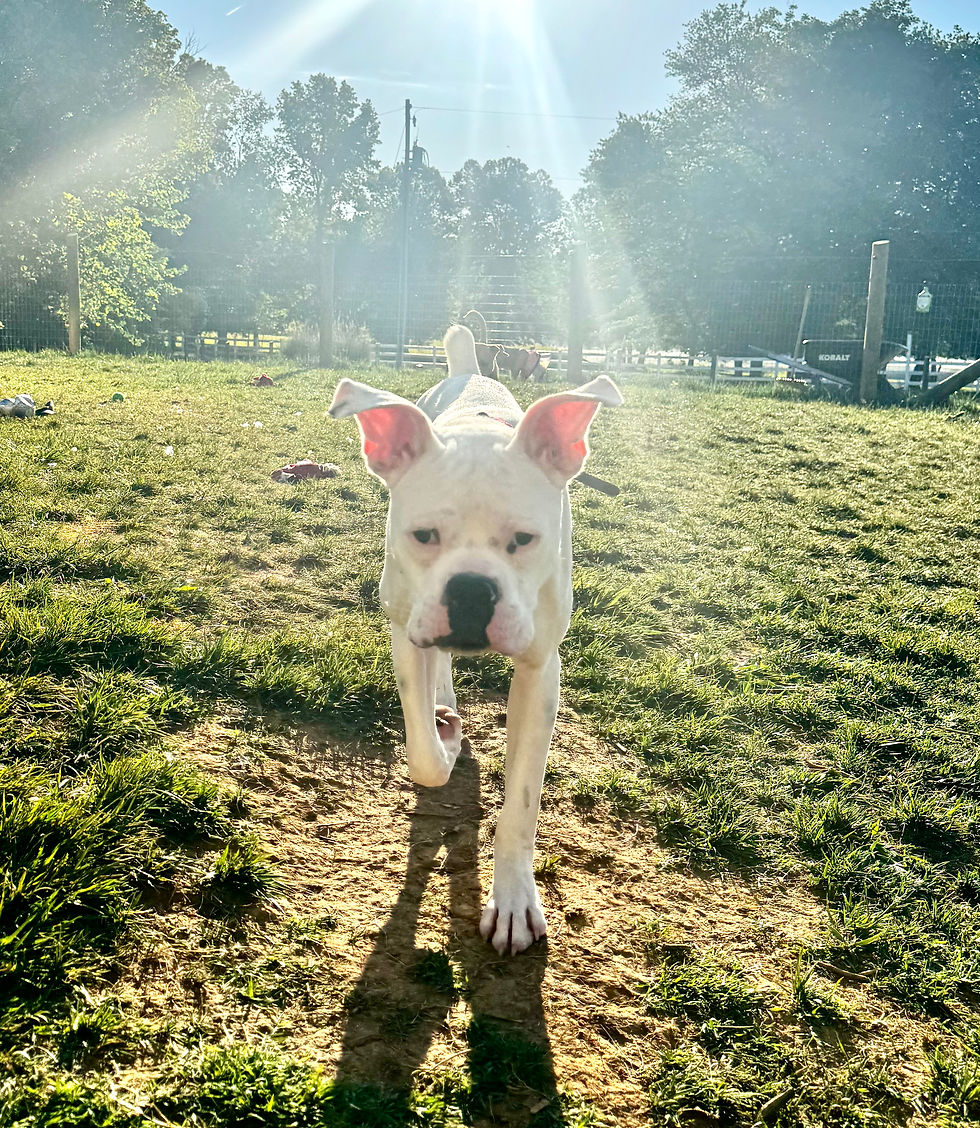
Slow Down (Seriously)
We know you're excited. You've probably already bought new toys, picked out the perfect leash, and introduced them to half your family via text message.
Your dog, however, would probably prefer a nap.
One of the biggest mistakes new adopters make is trying to do too much too soon. The first few days should be calm, predictable, and honestly a little boring.
That means:
Keeping visitors to a minimum
Avoiding crowded events and dog parks
Sticking to a consistent feeding schedule
Giving them a quiet place to rest
Letting them explore at their own pace
Think of it less like a welcome party and more like helping someone settle into a new home.
The 3-3-3 Rule
You'll often hear rescue people talk about the "3-3-3 Rule."
While every dog is different, it's a helpful reminder that adjustment takes time:
3 days to decompress
3 weeks to learn the routine
3 months to truly feel at home
Some dogs settle in faster. Others take longer. Neither is wrong.
The important thing is not to expect your dog's full personality to appear overnight.
Expect a Little Weirdness
The dog you bring home on day one may not be the dog you see a month later.
During the adjustment period, it's normal for dogs to:
Sleep more than usual
Eat less for a few days
Follow you everywhere
Hide or seem shy
Have occasional accidents
Forget commands they previously knew
Bark at random household objects
Most of these behaviors are simply stress and uncertainty, not signs that something is wrong.

Trust Takes Time
Trust isn't built with grand gestures.
It's built through breakfast arriving every morning.
It's built through daily walks, bedtime routines, and learning that when you leave the house, you always come back.
Little by little, your dog starts to realize they're safe.
And that's when the magic happens.
Then Their Real Personality Shows Up
One day they steal your spot on the couch.
They start bringing you toys.
They greet you at the door.
They discover squirrels and suddenly become very passionate about them.
The shy dog becomes playful. The nervous dog becomes confident. The quiet dog finds their voice.
And before you know it, it feels like they've always belonged there.
A Final Reminder
If your newly adopted dog seems nervous, overwhelmed, confused, or just plain weird during those first few days, take a deep breath.
Give them time.
Give them patience.
Give them space when they need it.
Most importantly, remember that they're learning to trust again.
That's a big job for a little dog.
And if you ever have questions, we're always here to help. One of the best parts of adopting from Stella's Rescue is that you're part of the family long after adoption day.


Spot on!! This was important for me to remember when I rescued my little dog. They need time to decompress and learn a new routine! But it’s ALWAYS worth it!!